





























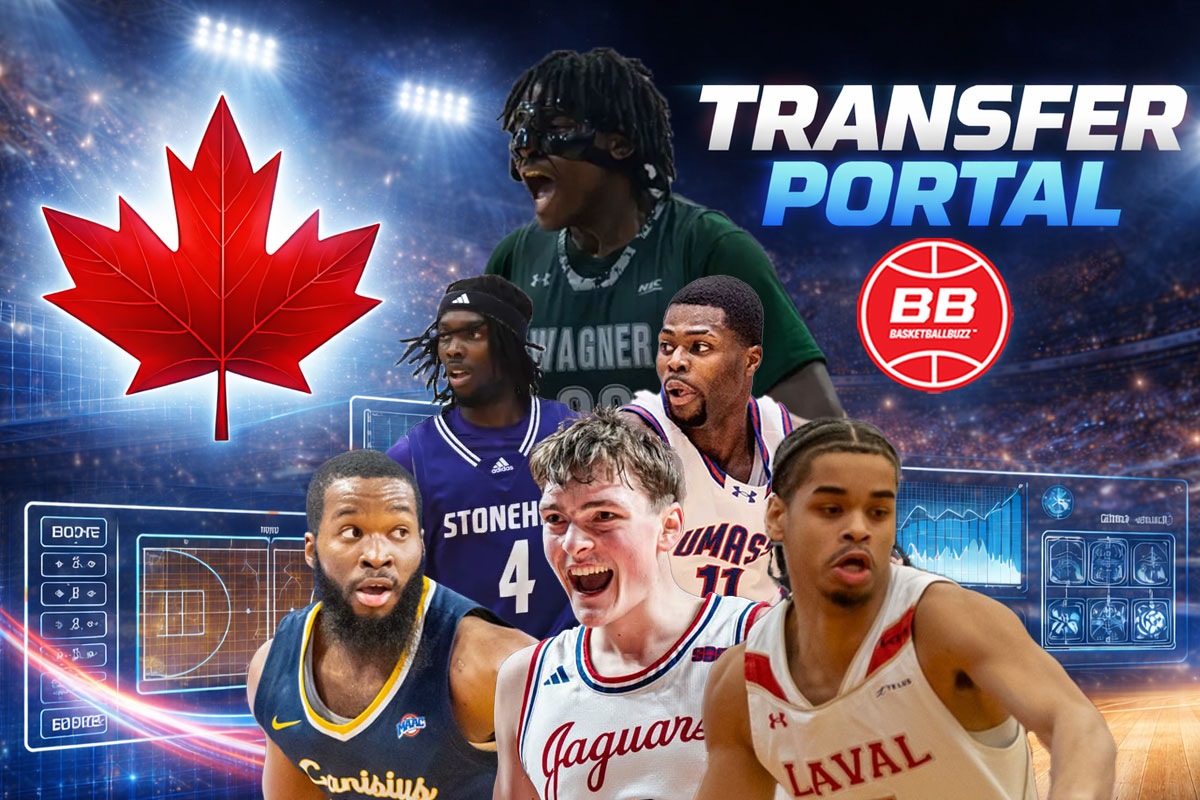

The offseason has arrived earlier than expected for much of the Canadian contingent, following a March that fell short of a true breakthrough on the national stage. With no Canadian-featured program advancing beyond the Sweet 16, the focus has quickly turned to the next phase of the college basketball cycle.
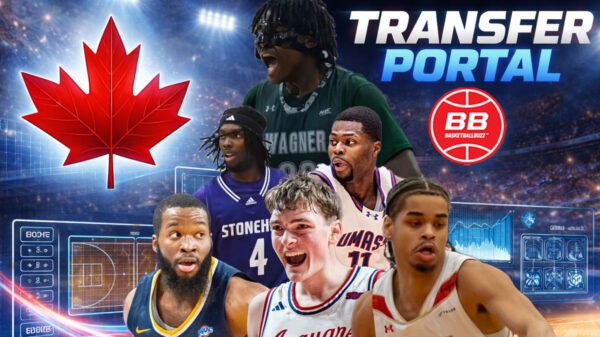
That next phase is the NCAA transfer portal, which continues to reshape roster building across the country. For Canadian players, it has become more than just a tool for movement. It is now a central part of career progression, where proven production, experience, and fit carry as much weight as long-term potential. In the NIL era, those decisions carry even greater significance, as players seek opportunities that align both competitively and financially.
The growth is impossible to ignore. A total of 121 Canadians entered the portal last year, a sharp increase from just 51 in both 2021 and 2022. That number climbed to 60 in 2023, 72 in 2024, and surged again in 2025, reflecting both increased mobility and the rising value of Canadian talent within the NCAA landscape.
At the same time, the pipeline itself is evolving. Canadian university players are no longer viewed as long-term projects. Instead, they are emerging as reliable, game-ready contributors, drawing increased attention from NCAA programs looking for immediate impact. In many cases, that experience is proving more valuable than traditional development routes through JUCO, NAIA, or lower divisions.
With another wave of talent entering the portal, the 2026 cycle represents more than just offseason movement. It marks a continued shift in how Canadian players are developed, evaluated, and ultimately positioned within the NCAA game.
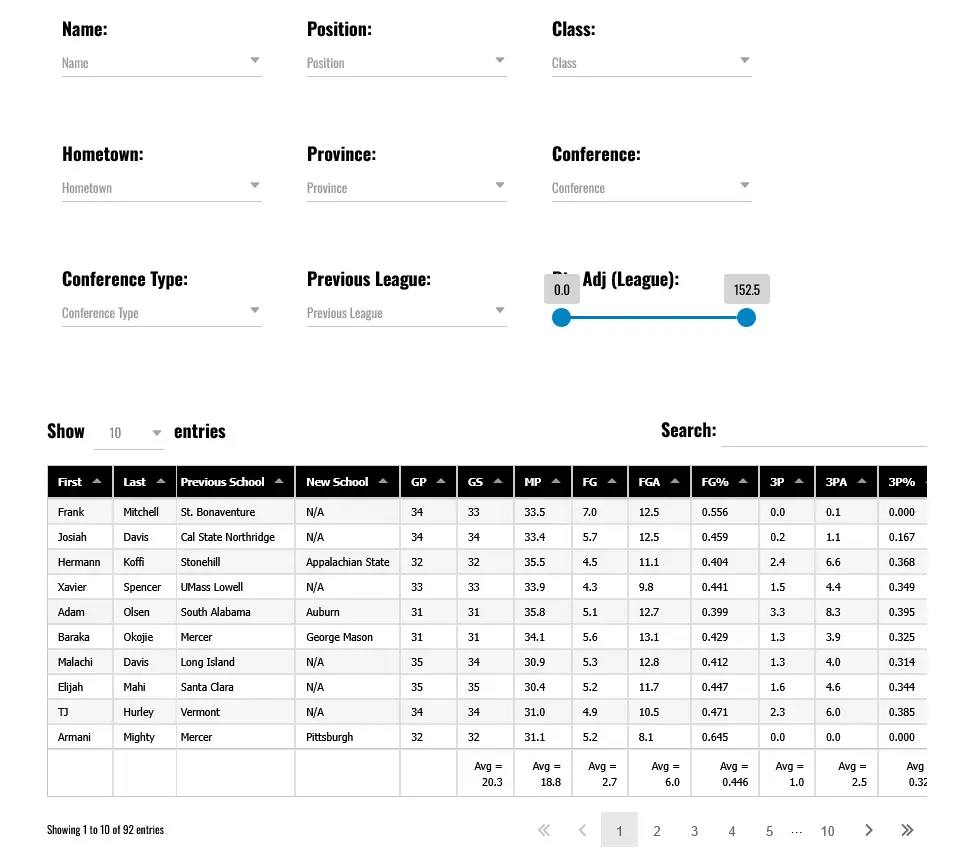
Where are Canadian’s transferring from?
Where are Canadian’s transferring to?
Adam Olsen — South Alabama

Forward | 6’8″ | Junior | Surrey, British Columbia
2025–26: 16.7 PPG, 4.1 RPG, 102 3PT (39.5%)
Few Canadians in the portal offer a more valuable modern profile than Adam Olsen. At 6-foot-8, the Surrey native combines size with elite perimeter shooting, coming off one of the most productive three-point seasons by a Canadian in NCAA history.
Olsen averaged 16.7 points and 4.1 rebounds while knocking down 102 three-pointers, placing him among the top shooters nationally. That mark made him just the 11th Canadian to reach 100 made threes in a single season, joining a group that includes Brady Heslip, Andy Rautins, and Nate Darling.
Consistency separated his production. He reached double figures in 27 games and topped the 20-point mark 15 times, highlighted by a 29-point performance that included eight made threes. With one season of eligibility remaining, his ability to stretch the floor at his size makes him one of the most sought-after Canadian targets in the portal.
Chris Tshibola — Laval Rouge et Or
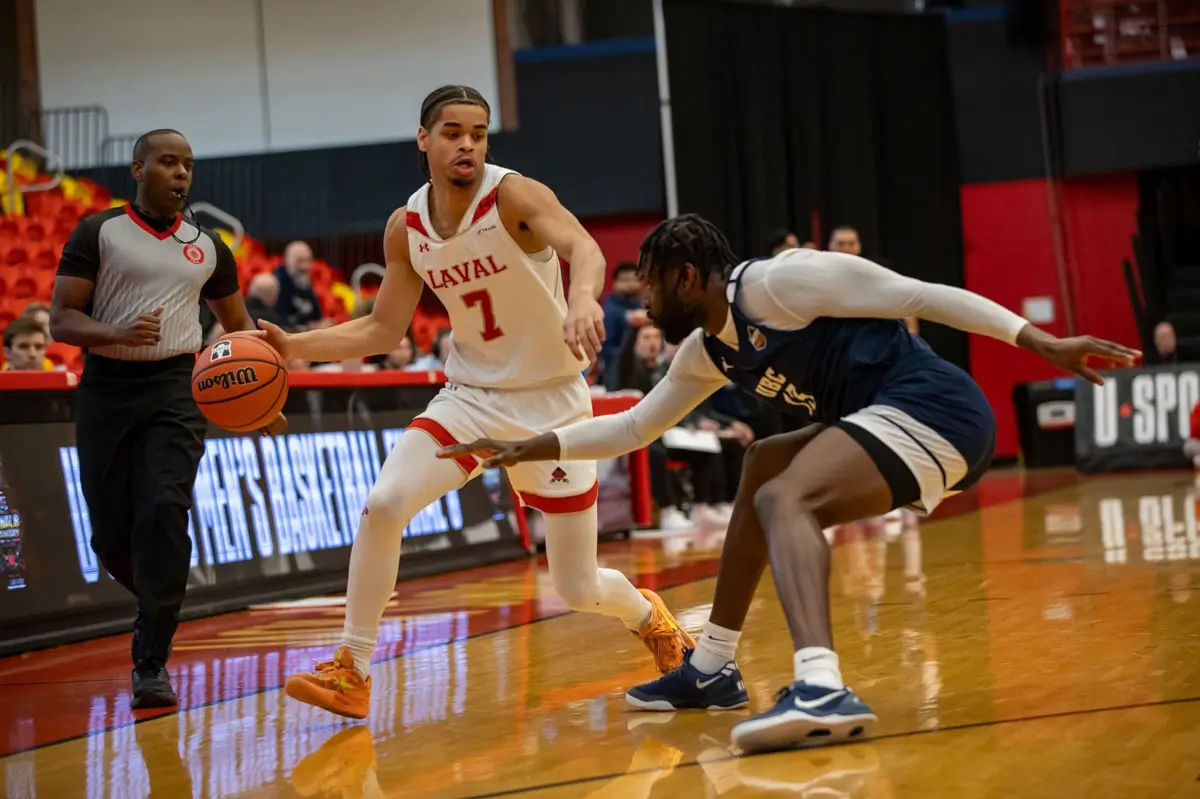
Guard | 6’3″ | Freshman | Quebec City, Quebec
2025–26: 20.9 PPG, 4.4 RPG, 3.7 APG
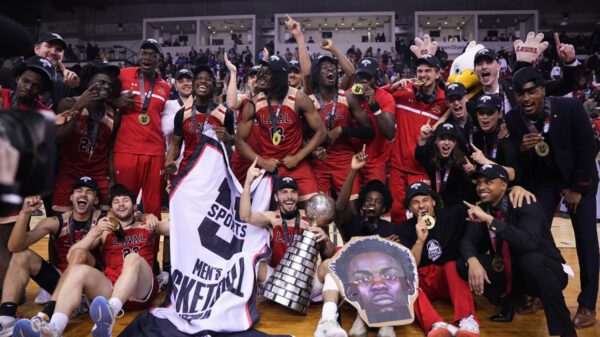
Chris Tshibola’s freshman campaign stands as one of the most dominant in recent U SPORTS memory. The 6-foot-3 guard captured conference MVP, national Rookie of the Year, and First Team All-Canadian honours, a rare combination that immediately places him among the top transfer prospects.
Tshibola averaged 20.9 points, 4.4 rebounds, and 3.7 assists while leading Laval to a 34–9 record and a Final 8 appearance. His production elevated further at nationals, where he posted 25.5 points per game across three contests.
A defining moment came in the RSEQ semifinal, when a 33-point, 15-rebound performance powered Laval to an overtime win and secured a national berth. With size, scoring ability, and proven production, Tshibola represents the next wave of U SPORTS talent capable of making an immediate impact at the Division I level.
Xavier Spencer — UMass Lowell
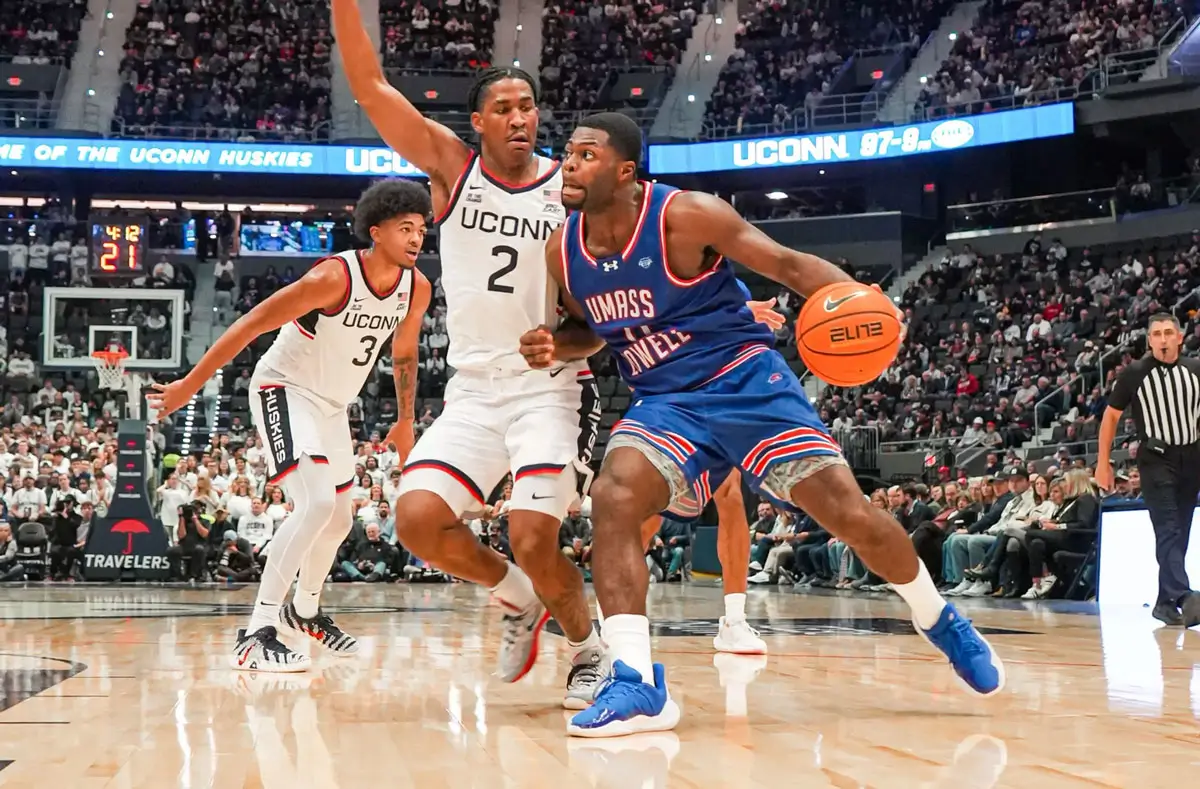
Guard | 6’1″ | Junior | Calgary, Alberta
2025–26: 11.9 PPG, 4.4 RPG, 2.9 APG
Xavier Spencer continued to validate the U SPORTS pathway with a steady and impactful first season at the Division I level. After a decorated career at Carleton, the former U SPORTS Rookie of the Year transitioned seamlessly, providing consistent backcourt production.
Spencer averaged 11.9 points, 4.4 rebounds, and 2.9 assists while starting all 33 games. His versatility was evident throughout the season, including a 12-assist performance that showcased his playmaking ability and a 10-rebound outing that highlighted his physical presence.
As the year progressed, offensive efficiency improved, with multiple 20-point performances and a steady stretch of double-figure scoring. With one year of eligibility remaining, Spencer offers a reliable, experienced option for programs seeking stability and two-way guard play.
Davante Hackett — Stonehill
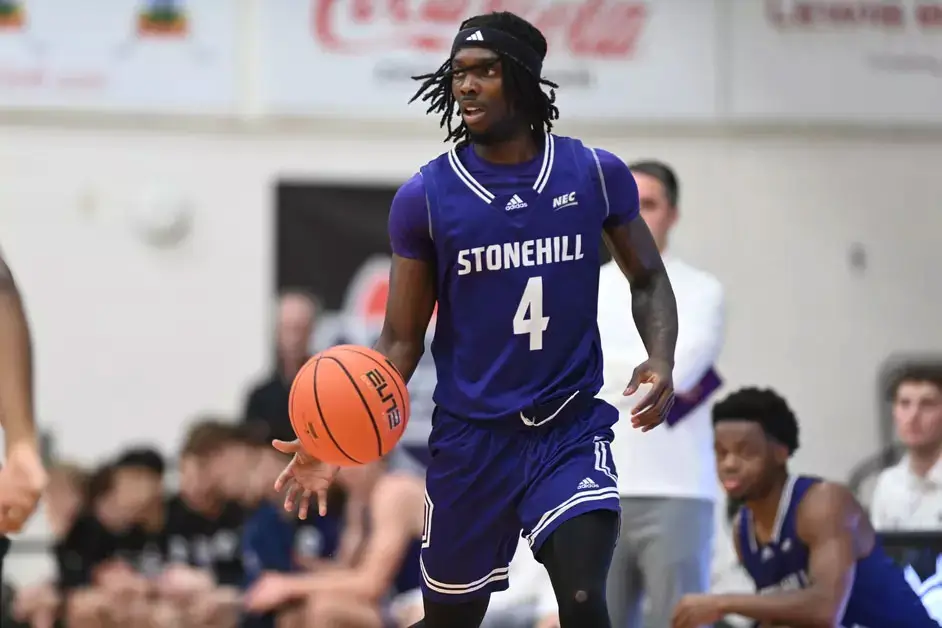
Guard | 6’3″ | Junior | Brampton, Ontario
2025–26: 13.6 PPG, 4.1 RPG
Davante Hackett emerged as one of the most dynamic Canadian scorers in the country this season. The Brampton guard averaged 13.6 points and 4.1 rebounds, but his impact was defined by high-level scoring bursts.
A 40-point performance against Saint Francis marked one of the top individual games by a Canadian this season and set a Division I program record for Stonehill. That outing came just days after a 30-point performance, underlining his ability to generate offense at volume.
Hackett also contributed across the stat sheet, recording two double-doubles and consistently impacting the game as a rebounder from the guard position. With continued development since his time at Brock, he presents an intriguing scoring option for programs in need of perimeter production.
Michael Evbagharu — Canisius
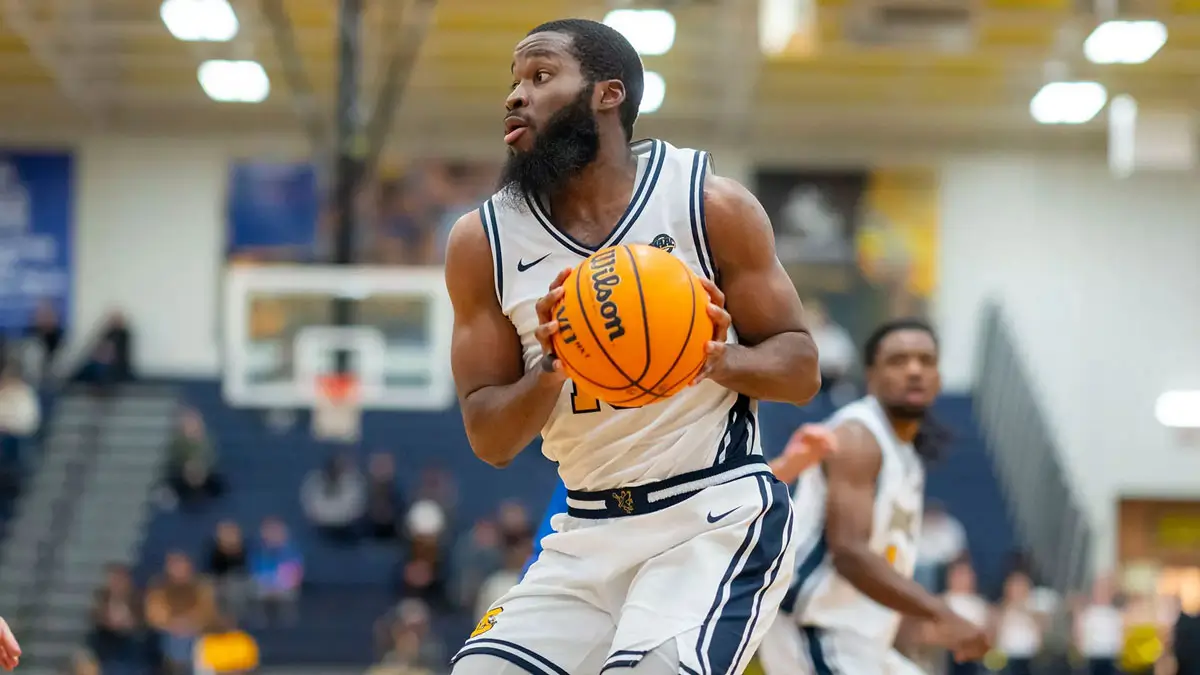
Guard | 6’4″ | Senior | Scarborough, Ontario
2025–26: 9.2 PPG, 6.9 RPG, 3.1 APG
Michael Evbagharu carved out a unique role this season as one of the most effective rebounding guards among Canadians in Division I. At 6-foot-4, his physicality and instincts on the glass translated into consistent production.
He averaged 9.2 points, 6.9 rebounds, and 3.1 assists, with 209 total rebounds ranking among the top single-season marks by a Canadian guard. A standout performance against Quinnipiac, featuring 10 points, 14 rebounds, and five assists, highlighted his all-around impact.
With experience across multiple programs and international competition with Team Canada, Evbagharu offers versatility and toughness, making him a valuable addition for teams seeking balance in the backcourt.
Binael Basil — Wagner
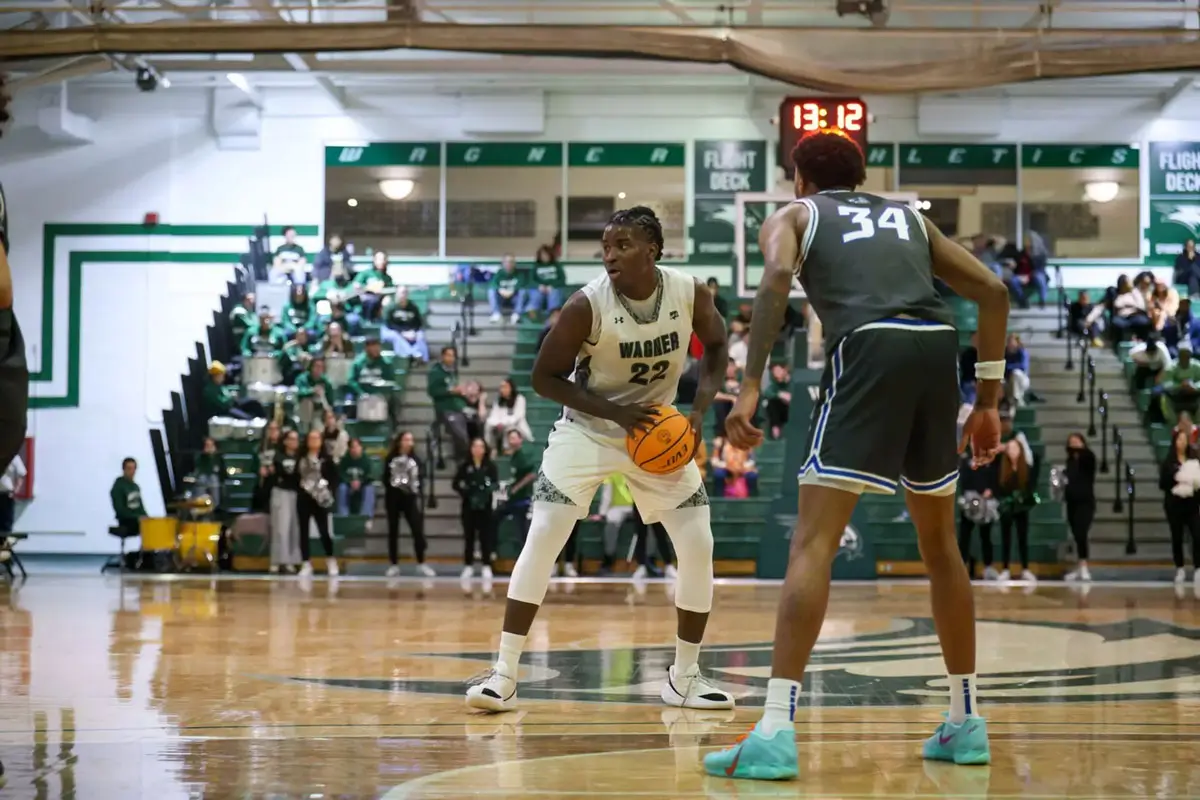
Forward | 6’7″ | Sophomore | Ottawa, Ontario
2025–26: 8.9 PPG, 6.1 RPG
Binael Basil’s development continues to trend in the right direction following a successful transition from the junior college level. The Ottawa forward brought physicality and efficiency to Wagner’s frontcourt, establishing himself as a reliable interior presence.
He averaged 8.9 points and 6.1 rebounds while shooting 55.9 percent from the field, consistently finishing around the rim and contributing on the glass. His season included multiple double-figure scoring performances and a 16-rebound outing that showcased his rebounding ability.
With a strong frame and high motor, Basil fits the profile of a modern frontcourt contributor who can impact games without requiring high usage. Multiple years of eligibility make him an appealing long-term option with immediate value.
As the transfer portal continues to evolve, so too does the Canadian presence within it. From proven NCAA contributors to elite U SPORTS talent making the jump, the depth and diversity of the player pool has never been stronger.
Efeosa Oliogu-Elabor – Butler Bulldogs
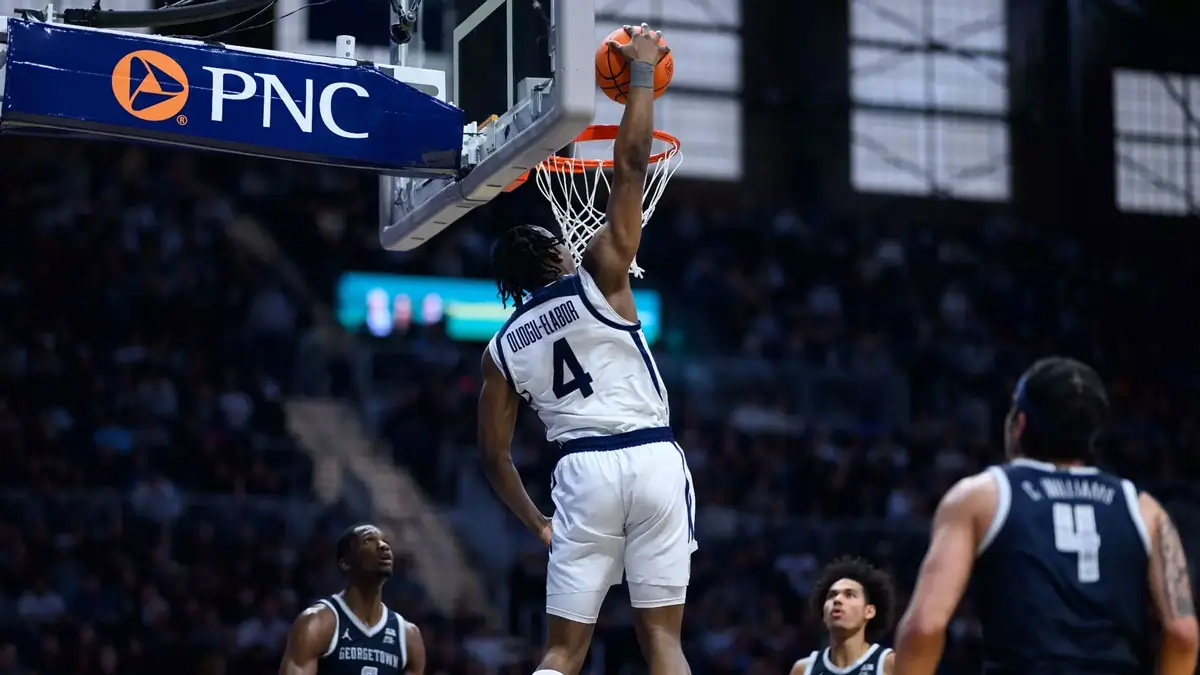
Efeosa Oliogu-Elabor – Butler Bulldogs
Guard | 6’7″ | Freshman | Markham, Ontario
2025–26: 5.0 PPG, 2.2 RPG, 2.0 APG
The top Canadian recruit in the 2025 class is on the move following a promising freshman campaign at Butler. Despite missing the opening stretch of the season due to injury, Oliogu-Elabor worked his way into the starting lineup down the stretch, starting the final 10 games and appearing in 25 total contests.
A versatile 6-foot-7 guard with size and playmaking ability, the Markham native showed flashes of his long-term upside. He reached double figures five times, highlighted by a 15-point, seven-rebound performance against DePaul in March, while also recording multiple games with four or more assists. His 19 steals ranked among the team leaders, underscoring his defensive activity and instincts on the perimeter.
Internationally, Oliogu-Elabor continued to build his profile with Team Canada, averaging 12.9 points per game at the 2025 FIBA U19 World Cup and finishing second on the team in scoring. With his combination of size, skill, and two-way potential, he enters the portal as one of the most intriguing Canadian prospects available, with three years of NCAA eligibility remaining.
A Pipeline Still Expanding
What was once viewed as an uncertain pathway is now producing consistent results. Canadian university players are not only earning opportunities south of the border, but thriving once they arrive. In many cases, that experience is proving more valuable than traditional routes through JUCO or other lower divisions.
With momentum building and another wave of talent entering the portal, the 2026 offseason represents more than just movement. It signals a continued shift in how Canadian basketball talent is developed, evaluated, and showcased on the NCAA stage.
2026 Canadian NCAA basketball transfer portal tracker (subscribers only)