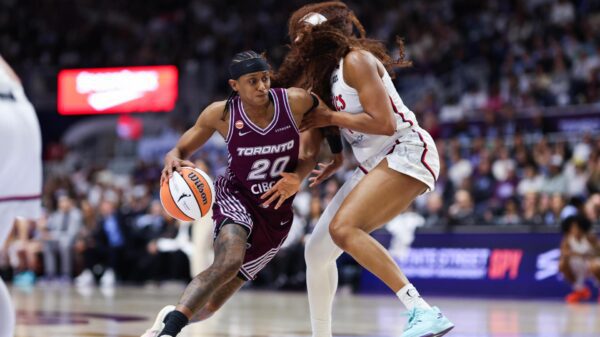


































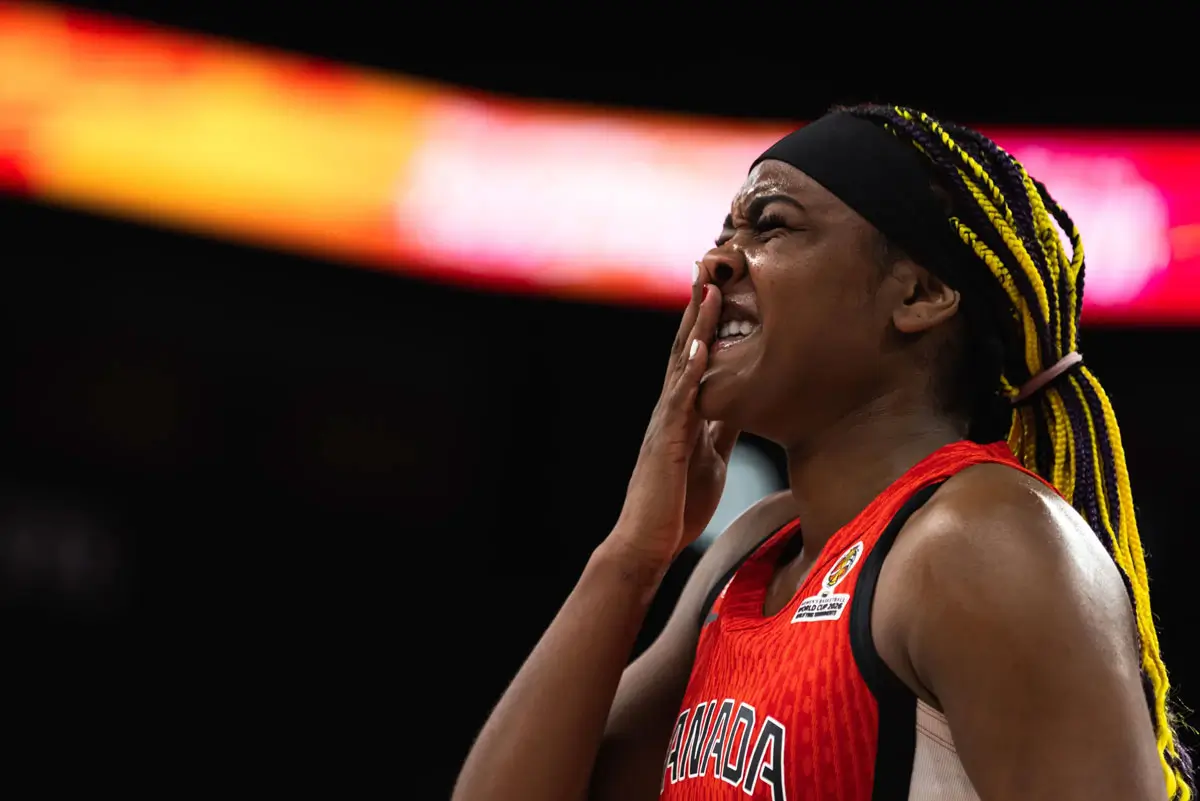

For nearly twenty years, the Canadian senior women’s program was the gold standard of reliability. While the men’s side frequently navigated cycles of rebuilding and missed tournaments, the women were a permanent fixture in the global top ten.
That era of excellence hit a definitive roadblock this week at the Turkcell Basketball Development Centre in Istanbul. Following a narrow 82–76 loss to Australia, Canada concluded the qualifying tournament with a 2–3 record, officially failing to secure a berth for the 16-team field in Berlin.
The setback follows a period of mounting pressure for the program. Although Canada achieved a brilliant fourth-place finish at the 2022 World Cup, the cracks began to show during the 2024 Olympic cycle. Under head coach Victor Lapeña, the team narrowly escaped the qualifying phase in Hungary before a disappointing 0–3 showing in Paris.
Despite the transition to current head coach Nell Fortner, the struggle to close out tight games against elite competition followed the team to Türkiye. Canada entered this tournament seeking a sixth consecutive World Cup appearance, but narrow losses to host Türkiye (71–69) and Japan (66–62) left the Canadians with no margin for error.
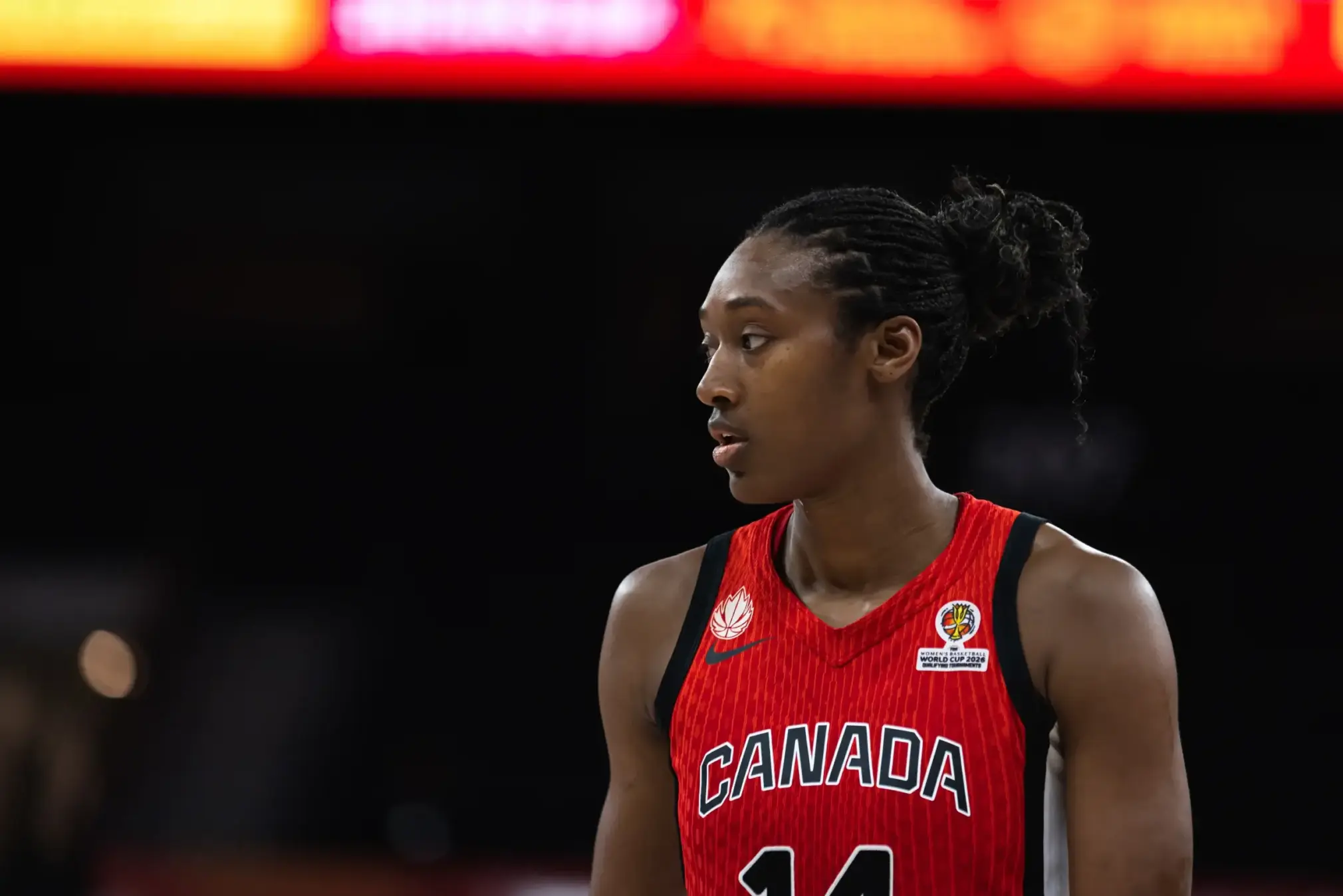
The final effort against Australia was led by a Herculean performance from veteran Kayla Alexander, who dominated the interior with 26 points and 13 rebounds. Aaliyah Edwards, who was named to the tournament’s all-star team for her consistent production, added to a frontcourt effort that kept Canada within a single possession in the final minute.
However, the sharpshooting of Australia’s Sami Whitcomb, who went a perfect 5-of-5 from deep, proved too much to overcome. When the final buzzer sounded, Canada’s fate was sealed by a combination of their own result and victories by Japan and Hungary.
This exclusion represents a significant blow to the developmental trajectory of Canada Basketball. The program has prided itself on top-eight finishes in 2014, 2018, and 2022, but the 2026 cycle will now feature no major international competition for the senior team.
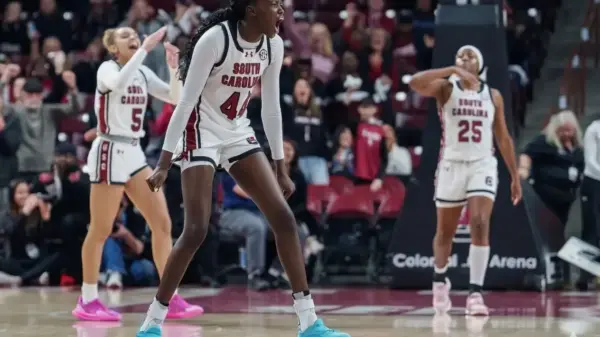
This leaves a gap in the resumes of veteran leaders like Bridget Carleton and Kia Nurse, while depriving a promising wave of young talent—including NCAA standouts Syla and Savvy Swords and Toby Fournier—of the high-stakes experience necessary to prepare for the 2028 Los Angeles Olympics.
As the program enters an unexpected off-season, the focus shifts to a long-term evaluation. With two years of competitive silence on the global stage, Canada must now find a way to reinvent its identity and ensure that this absence is a one-time outlier rather than the start of a decline for one of the country’s most successful athletic programs.