


















































Canada did not win this game cleanly. They survived it, then took it apart.
For long stretches against China at the FIBA U17 World Cup in Istanbul, Canada looked disjointed, rushed into poor shots, and out of rhythm against a disciplined defensive structure. But what ultimately decided the game was not shot-making or tempo control—it was sheer physical volume on the glass.
And in the end, that became overwhelming.
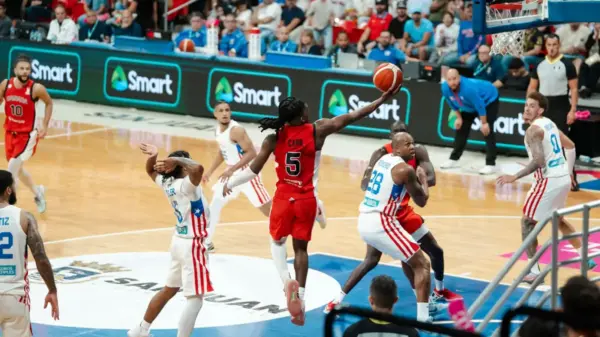
Canada erupted late to secure an 87-78 win, powered by a staggering 72-47 rebounding advantage, including 41 offensive rebounds that repeatedly extended possessions and broke China’s resistance in the fourth quarter.
Isaiah Clarke stood at the center of it all. The Canadian forward delivered a 19-point, 18-rebound performance, including a tournament-record 13 offensive rebounds, constantly turning missed shots into second chances and stabilizing Canada whenever the game threatened to slip away.
It took time for that impact to take hold.
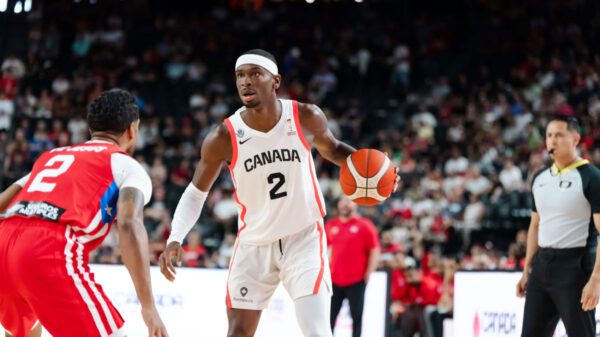
After opening the tournament with a loss to Lithuania, Canada made structural changes, with head coach Chris Cheng adjusting the starting lineup and inserting Jordan Fisher while moving Isaiah Hamilton to the bench. Canada also opened in a 2-3 zone designed to absorb China’s size and protect the paint. The early returns were mixed, but the intent was clear: survive the interior battle and force China into perimeter execution.
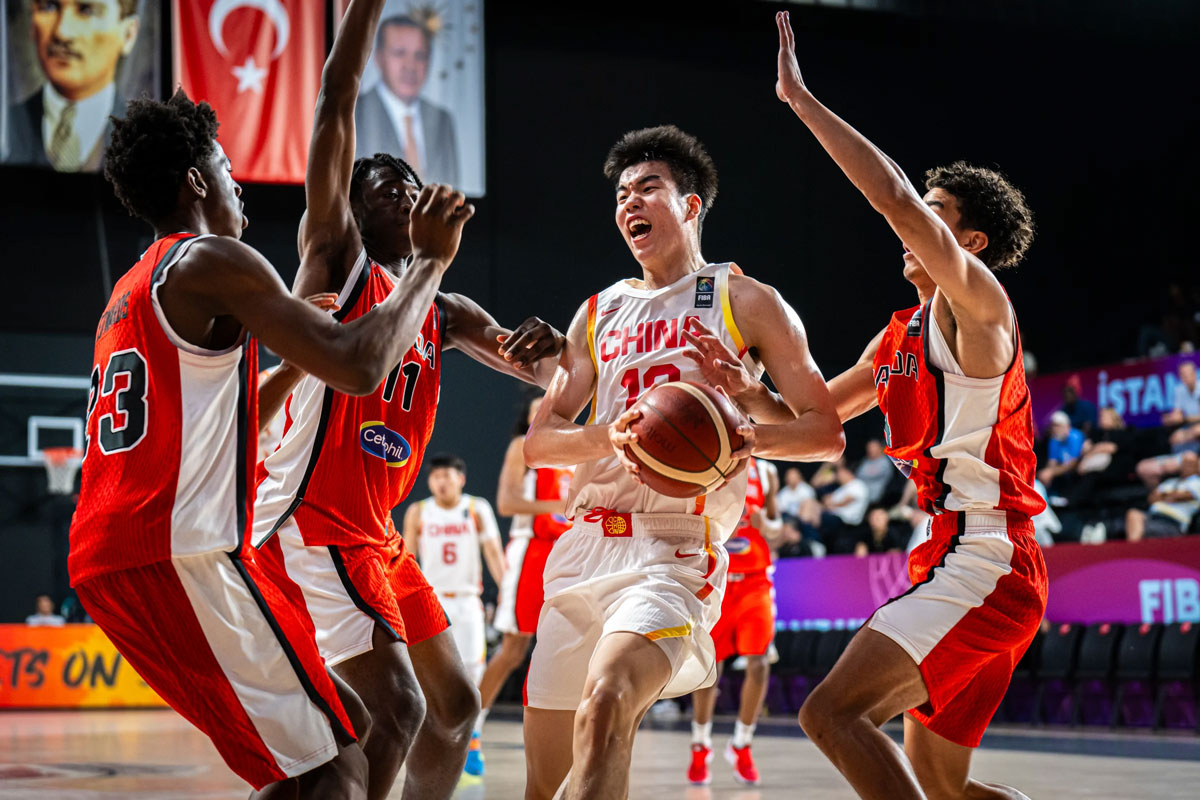
For two quarters, China largely handled both.
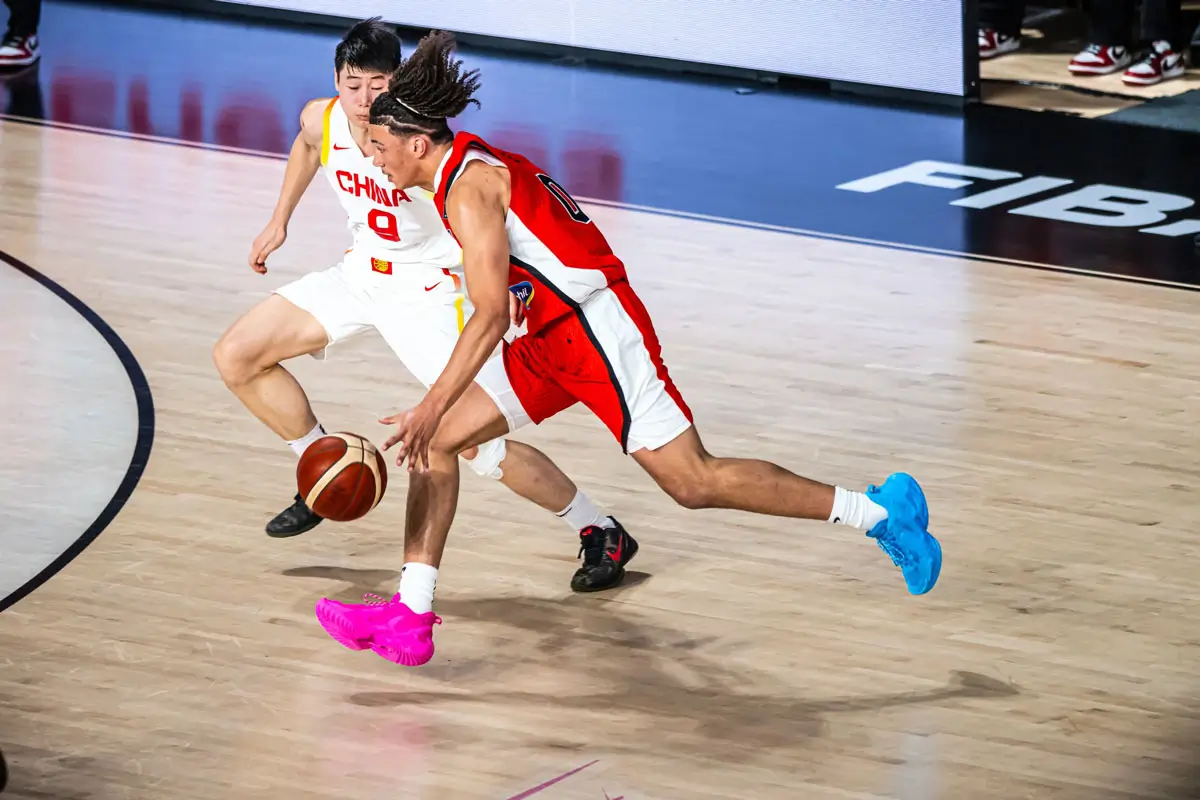
Behind strong perimeter shooting and efficient interior finishing, China built rhythm through the second quarter and carried a 42-37 lead into halftime after a 27-14 swing. Canada’s offense stalled in stretches, unable to consistently generate clean looks, while China’s spacing repeatedly pulled the zone apart.
The third quarter stretched that control further, with China pushing the lead to 11 points at its peak. Canada’s defensive rotations began to strain, and for long stretches the game tilted toward a controlled Chinese advantage.
But even then, Canada never lost its edge on effort.
Clarke continued to battle inside. Hamilton began to attack downhill more assertively. Liam Mitakaro provided steady secondary production across multiple phases. And slowly, possession by possession, the game started to shift.
The numbers tell the truth of what happened next.
Canada led for 16:56, China for 20:56, and the remainder was tightly contested. But those margins collapse the reality of how the game ended: completely.
Because the fourth quarter belonged entirely to Canada.
A 16-0 run flipped the game in an instant, turning a five-point deficit into control through defensive pressure and relentless rebounding. China, which had dictated pace for most of the night, suddenly had no clean entries, no second chances, and no rhythm against Canada’s physical surge.
The closing frame became a 29-15 avalanche.
Canada’s rebounding dominance defined it. The 72 total rebounds to China’s 47 told the story, but the 41 offensive boards were the breaking point. Every missed shot became a renewed possession, and every renewed possession drained China’s resistance.
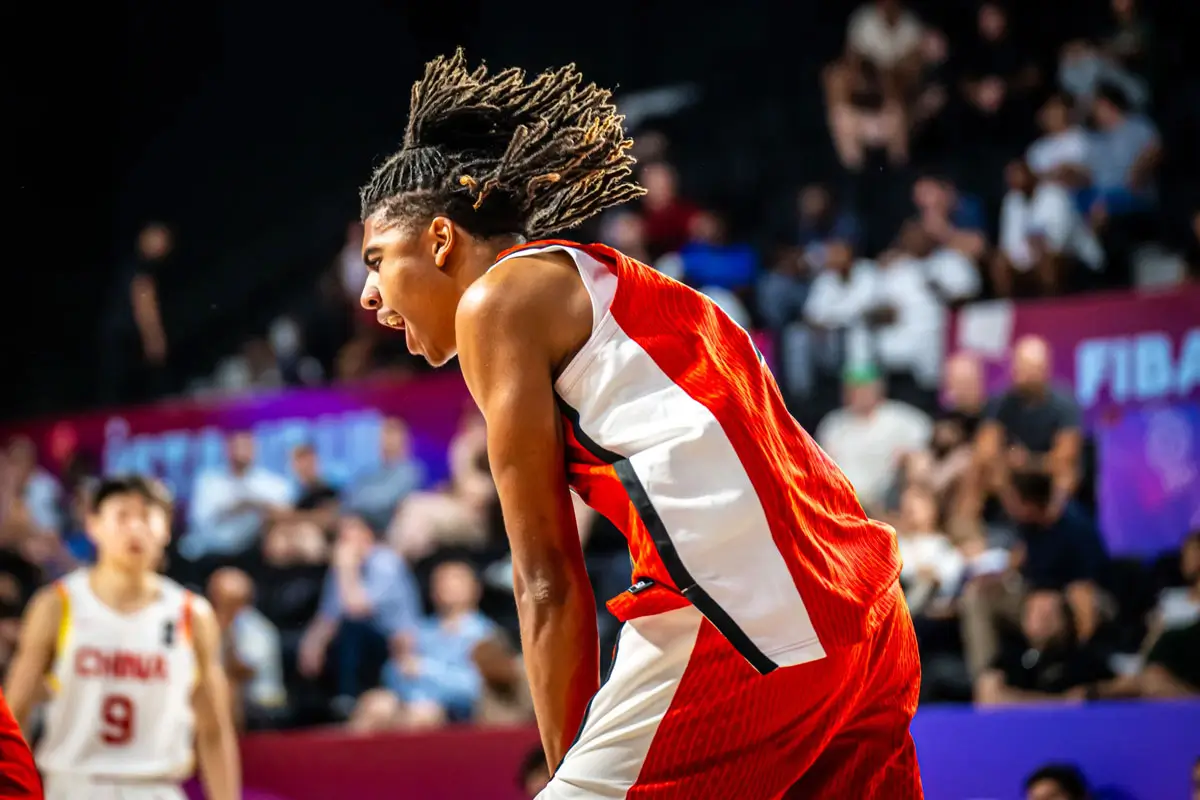
Hamilton provided key scoring bursts down the stretch, finishing with 19 points, while Mitakaro added 13 points, nine rebounds, and four assists in a steady two-way performance that helped stabilize the comeback. China was led by Yizhaojie Zhang with 21 points and nine rebounds, while Yuchen Zhang added 20 points in a strong perimeter showing.
But the final minutes were not about shot-making.
They were about surviving contact, winning rebounds, and refusing to give the ball back.
Canada now moves to 1–1 in Group B, with a final group-stage matchup against Cameroon awaiting after a rest day. A win would secure second place in the group and potentially avoid a Round of 16 matchup against the United States or France, significantly altering the playoff path. Cameroon enters at 0–2, but Canada’s inconsistency in this tournament ensures nothing can be taken for granted.
Elsewhere, China (1–1) will meet unbeaten Lithuania (2–0) in a matchup that will help decide the final shape of the group.
Canada didn’t control the game for long. But when it mattered most, they controlled every possession that remained.